Caregiving Skills
Care Assistance Course
What You'll Learn
The Care Assistance Course develops the knowledge and practical skills needed to assist elderly individuals with their daily activities and care needs. Participants will learn through scenario-based training and progressive skills development, with a focus on respectful and dignified caregiving, communication, infection control, emergency response and practical care skills.
By the end of the course, participants will be able to:
- Apply the technical, behavioural and soft skills required to provide quality care as care staff.
- Develop the knowledge and skills needed to be employment-ready in a care setting.
- Recognise emergent conditions in an older person and the effects of chronic health conditions that may affect Activities of Daily Living.
- Apply the philosophy of care when assisting clients with Activities of Daily Living while upholding their privacy and dignity.
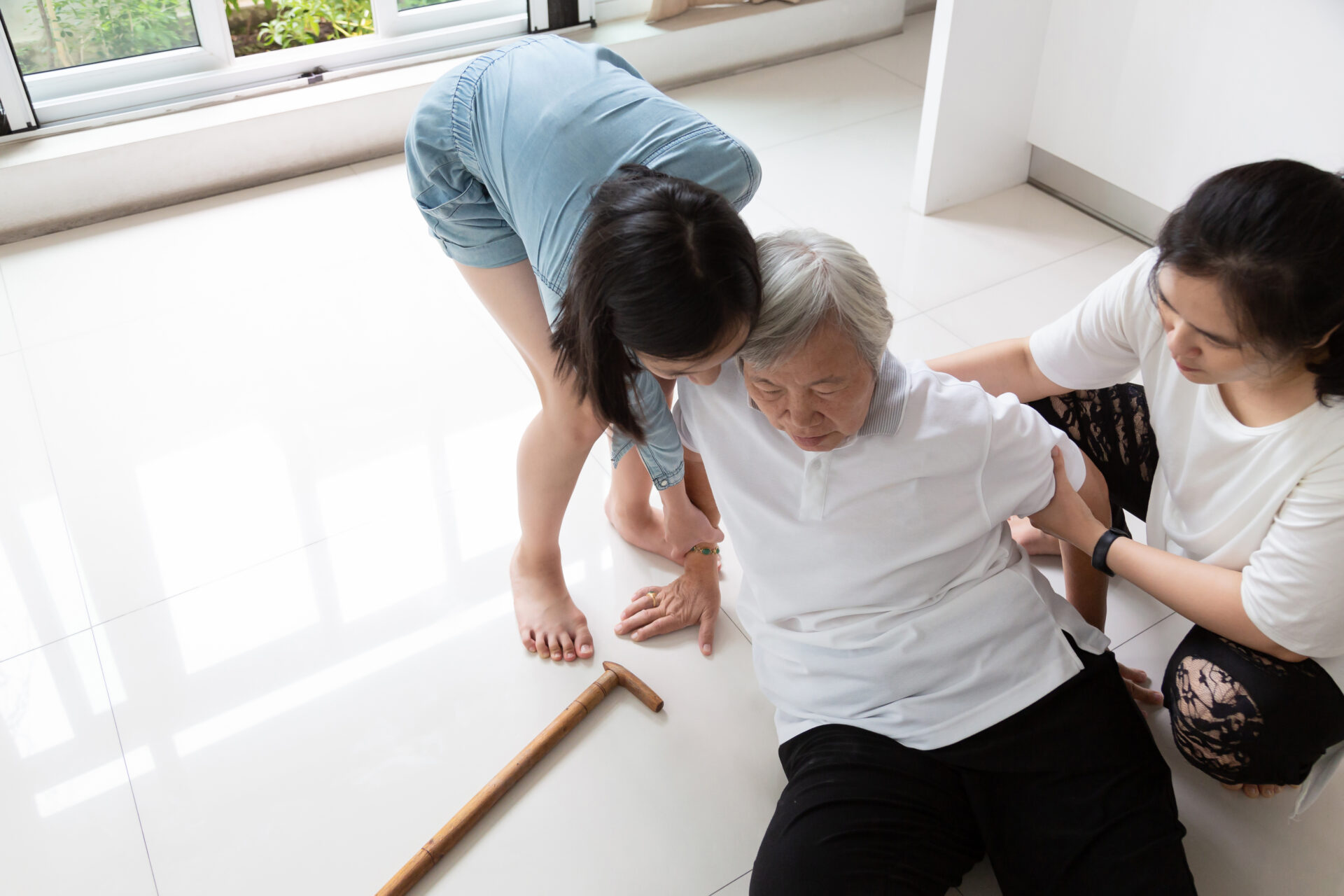
- Provide basic emergency care to meet the needs of an older person.
Mode of Training
Classroom
Assessment Methods
Assessment will take place on Day 3, with each trainee scheduled separately for a 1-hour session
Course Outline
- Demonstrate understanding of ageing processes and associated medical conditions
- Demonstrate understanding of the intermediate long-term care environment
- Demonstrate understanding of ethics for care staff
- Techniques for effective communication
- Infection control in care settings
- Response to emergencies at care sites
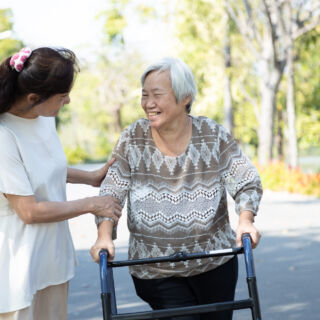
- Assist with mobility and ambulation with and without the use of mobility aids
- Assist with nutritional needs
- Assist with elimination-related activities
Fees & Subsidies
Prerequisites
Obtained at least a C6 pass at N-Level in any 1 subject or equivalent; OR
Workplace Literacy & Numeracy (WPLN) Level 4 (Speaking, Listening, Reading & Numeracy) and Level 3 (Writing)
Certification
Statement(s) of Attainment (SOA)
Upon successful completion and assessment of the course, participants will receive formal recognition through the award of Statement(s) of Attainment (SOA).
Similar Courses
Join a community of driven learners and unlock your potential with the knowledge and skills that define excellence.