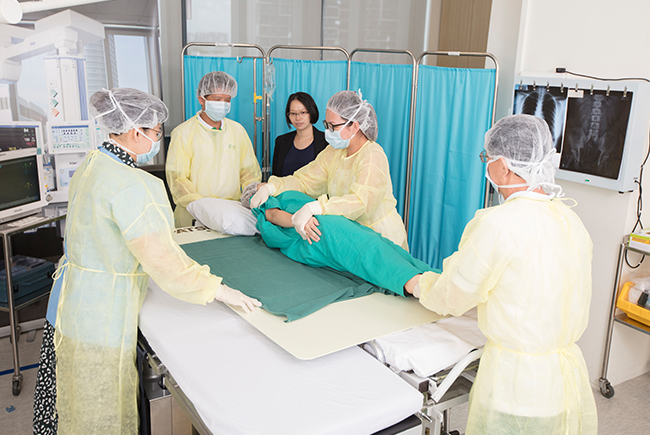
Hero Why Healthcare
260616 Hmi Inst1368 Keng Photography

Career Upskilling

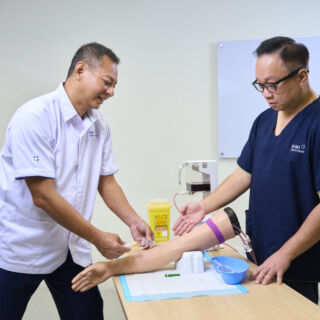
Peripheral Venepuncture for Upper Limbs

Course Information

16 hoursCertificate of CompletionBlended LearningSkillsFuture Credit
SkillsFuture Subsidy
NTUC Union Training Assistance Programme (UTAP)​​
Develop the knowledge and skills to perform peripheral venepuncture of the upper limbs for blood sample collection.

What You'll Learn

This course introduces the knowledge and skills needed for peripheral venepuncture of the upper limbs for blood sample collection. Participants will develop an understanding of the venous system, standard precautions, venepuncture equipment, vein selection and common issues related to blood taking, with practical application guided by organisational requirements.

By the end of the course, participants will be able to:

  1. Explain the basic anatomy and physiology of the venous system and of the upper extremity used in venepuncture.
  2. Relate standard precautions and practices to blood sample taking.
  3. Recognise and prepare the types of equipment/items and the documentary requirements for blood specimen collection.
  4. Discuss common issues related to the blood-taking procedure.
  5. Explain the considerations for choice of vein in blood taking.
  6. Perform blood taking in accordance with the standard precautions and organisational guidelines.

Mode of Training

  • Online learning (8 hours)
  • Face-to-face classroom session (8 hours)

Course Outline

  1. Basic anatomy and physiology of the venous system and of the upper extremity used in venepuncture
  2. Standard Precautions
  3. Types of venepuncture equipment /safety
  4. Issues related to venepuncture
  5. Considerations for choice of vein

Fees & Subsidies


Prerequisites

Obtained at least a C6 pass at N-Level in any 1 subject or equivalent; OR
Workplace Literacy & Numeracy (WPLN) Level 4 (Speaking, Listening, Reading & Numeracy) and Level 3 (Writing)

Certification

Letter of Participation
Participants who meet the minimum attendance requirement and pass the theory and simulated practical assessments will receive a Letter of Participation from HMI Institute.
Certificate of Completion
Participants who meet the minimum attendance requirement and pass the theory and simulated practical assessments will be eligible for a Certificate of Completion. They must also independently arrange and complete 30 blood takings in healthcare organisations. Each blood taking must be documented on the provided forms and submitted to HMI Institute.

Similar Courses

Join a community of driven learners and unlock your potential with the knowledge and skills that define excellence.

  • Medication Dispensing

    Medication Dispensing

    Less than 1 weekBlended LearningSkillsFuture Subsidy for Healthcare In-service Staff

    This module equips the learner with the knowledge and required skills to pack the medications as per prescribed in the prescription and dispense it safely to the patient.

  • Wound Management in Nursing

    Wound Management in Nursing

    Less than 1 weekBlended LearningSkillsFuture Credit • SkillsFuture Subsidy

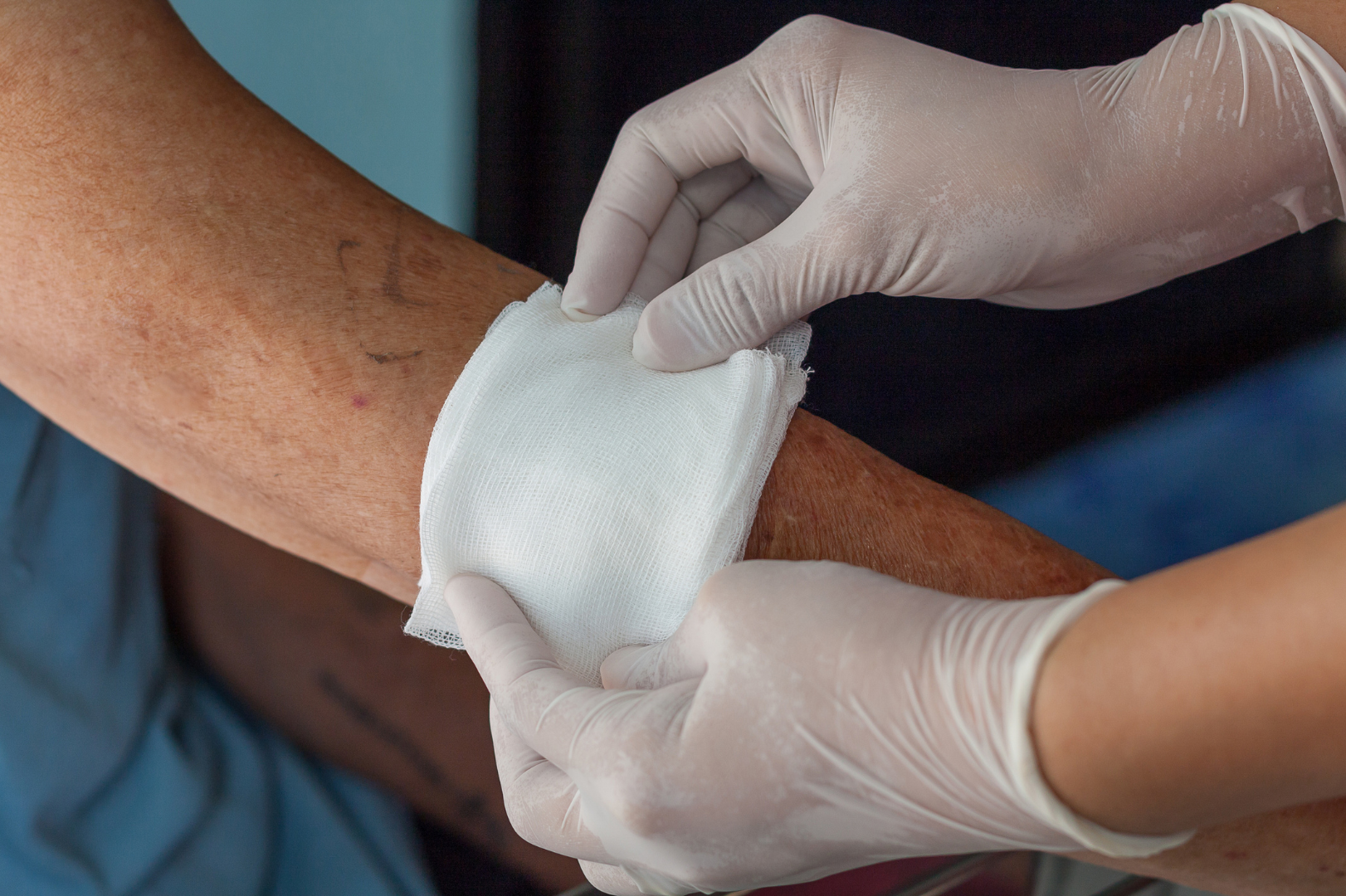
    Develop the knowledge and skills in wound management, including wound assessment, simple wound dressing, aseptic techniques and stoma care.This course will equip participants with fundamental knowledge and skills in basic wound management.

  • Patient Education and Engagement

    Patient Education and Engagement

    Less than 1 weekBlended LearningSkillsFuture Subsidy for Healthcare In-service Staff

    The module on Patient Education and Engagement equips the learner with the knowledge and skills to provide patients with information on pre and post doctor consultation and/or procedures and promote awareness on health and wellness to achieve optimal health outcomes for patients.

  • (SCTP) WSQ Higher Certificate in Healthcare (Operations)

    (SCTP) WSQ Higher Certificate in Healthcare (Operations)

    4 - 5 monthsBlended LearningSkillsFuture Credit • UTAP • PSEA

    Develop healthcare operations, patient service and clinical support skills for a transition into roles such as Patient Service Associate and Clinic Assistant.